
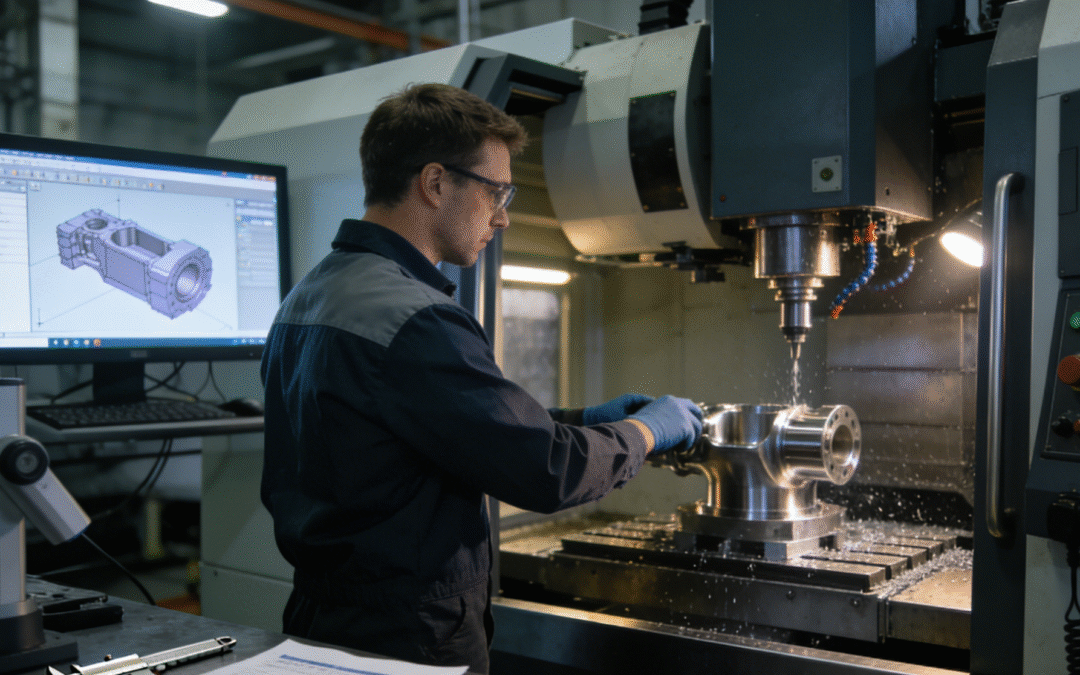
In the world of precision manufacturing, Small batch CNC machining has emerged as a pivotal solution for prototyping, product development, and limited-run production. It bridges the gap between one-off prototypes and high-volume manufacturing, offering unparalleled flexibility, speed, and cost-effectiveness. This guide delves deep into the core aspects of Small batch CNC machining, addressing the critical questions for businesses and engineers considering this adaptable manufacturing method.
What Industries Are Best Suited for Small Batch CNC Machining?
Small batch CNC machining is not confined to a single sector; its versatility makes it invaluable across numerous industries. Its ability to produce high-precision, complex parts without the need for expensive, dedicated tooling is its greatest strength.
- Aerospace and Defense: This sector requires parts with extreme precision, using high-strength materials like titanium and advanced alloys. Small batch CNC machining is ideal for producing critical components, prototypes, and replacement parts for testing and limited-quantity applications.
- Automotive: From prototyping new engine components and custom aftermarket parts to creating specialized tooling and fixtures, small batch CNC machining supports innovation and customization in both consumer and motorsports automotive fields.
- Medical and Dental: The demand for patient-specific implants, surgical instruments, and diagnostic device housings is perfectly met by small batch CNC machining. It ensures biocompatibility, exceptional surface finish, and strict adherence to tight tolerances using medical-grade materials.
- Electronics and Robotics: The need for precise heat sinks, enclosures, connectors, and robotic arm components in limited quantities makes Small batch CNC machining a go-to process. It allows for rapid iteration during the design phase of drones, sensors, and communication devices.
- Consumer Products and Industrial Design: Startups and established companies alike use small batch CNC machining to create functional prototypes, market-test products, and produce premium, limited-edition goods before committing to mass production tooling.
How to Choose the Right Small Batch CNC Machining Partner
Selecting a capable supplier is crucial for the success of your project. Here are key factors to consider:
- Technical Capability and Equipment: Ensure the machine shop has modern CNC machines (3-axis, 4-axis, or 5-axis) capable of handling your part’s complexity. Inquire about their experience with materials and tolerances relevant to your project.
- Quality Assurance Processes: A reliable partner for Small batch CNC machining will have robust quality control measures, including in-process inspections and final verification using tools like CMMs (Coordinate Measuring Machines). Certifications like ISO 9001 are a strong indicator of a systematic quality approach.
- Design for Manufacturability (DFM) Feedback: A good partner doesn’t just accept files; they provide proactive DFM analysis. They should offer suggestions to optimize your design for manufacturability, potentially reducing cost and lead time without compromising function.
- Communication and Project Management: Look for clear, responsive communication. The ability to discuss challenges, provide timely updates, and manage the small batch CNC machining project efficiently is as important as technical skill.
- Pricing Transparency and Lead Times: Obtain clear, detailed quotations. The best partners balance competitive pricing with reliable, realistic lead times, understanding that speed is often a primary driver for choosing small batch production.
What Materials Can Be Used in Small Batch CNC Machining?
One of the standout benefits of Small batch CNC machining is its exceptional material versatility. Almost any machinable material can be used, including:
- Metals:
- Aluminum (e.g., 6061, 7075): Popular for its excellent strength-to-weight ratio, good machinability, and corrosion resistance.
- Stainless Steel (e.g., 304, 316): Chosen for its strength, durability, and corrosion resistance, ideal for medical, marine, and food-grade applications.
- Titanium (e.g., Grade 5, Ti-6Al-4V): Used in aerospace and medical implants for its high strength, light weight, and biocompatibility.
- Brass, Copper, and Mild Steel: Commonly used for electrical components, decorative parts, and various industrial applications.
- Plastics and Polymers:
- ABS: Tough, impact-resistant, and good for functional prototypes.
- POM (Delrin®): Known for its high stiffness, low friction, and excellent dimensional stability.
- Nylon (PA): Offers good wear resistance and strength.
- PEEK: A high-performance thermoplastic used in demanding chemical, thermal, and mechanical environments.
- Advanced Materials: Small batch CNC machining can also handle composites and specialized engineering plastics for unique application requirements.
What Are the Advantages of Small Batch CNC Machining Compared to Conventional CNC Machining?
While conventional, high-volume CNC machining focuses on unit cost reduction over thousands of parts, Small batch CNC machining offers a distinct set of advantages tailored for flexibility and speed.
- Lower Upfront Costs and Capital Risk: It eliminates the need for expensive hard tooling (like molds and dies) required for injection molding or stamping. This makes it economically viable for low volumes.
- Faster Time-to-Market: Without the lead time needed to design and fabricate tooling, parts can be produced directly from CAD files in a matter of days. This accelerates prototyping, testing, and product launch cycles.
- Unmatched Design Flexibility: Design changes can be implemented quickly and cost-effectively by simply modifying the digital program. This allows for rapid iteration and optimization, which is impractical with conventional mass-production tooling.
- High Precision and Consistency: Each part in a small batch is machined with the same digital precision, ensuring excellent consistency and adherence to tight tolerances across the entire production run.
- Material and Finish Variety: As discussed, it allows for easy switching between a vast range of materials and surface finishes (anodizing, plating, painting) between batches, offering great customization potential.
Conclusion
Small batch CNC machining is a powerful, strategic manufacturing approach that empowers innovation across industries. By understanding its ideal applications, knowing how to select a qualified partner, leveraging its wide material capabilities, and capitalizing on its inherent advantages over conventional high-volume methods, businesses can bring higher-quality products to market faster and more efficiently. Whether you’re iterating on a prototype or launching a limited production run, Small batch CNC machining provides the agility and precision required in today’s dynamic market.